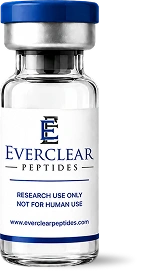
TB-500 peptide, also known as synthetic Thymosin Beta 4 or Tβ4, is the synthetic form of the naturally occurring protein Thymosin beta-4. This protein is found naturally in the cells of the thymus organ and is encoded by the TMSB4X gene. Researchers have suggested that TB-500 has similar potential to Thymosin beta-4. These potential mechanisms of action may include promoting angiogenesis, supporting wound healing, or influencing hair growth.
Besides being highly soluble in water and light in weight, TB-500 is a 43 amino acid-containing peptide that is abundant in wound fluid, which contains multiple blood platelets. This peptide may exhibit anti-inflammatory potential and may support neurological healing, as well as potentially aiding healing processes in the spinal cord, heart, and epidermis.(1)
Overview TB-500 peptide, also known as thymosin β(4), includes a distinct peptide segment (17)LKKTETQ(23), which is considered the active site and which researchers believe may be important for actin binding, cell migration, and wound healing.(2) The amino acid sequence of TB-500 is: Ac-Ser-Asp-Lys-Pro-Asp-Met-Ala-Glu-Ile-Glu-Lys-Phe-Asp-Lys-Ser-Lys-Leu-Lys-Lys-Thr-Glu-Thr-Gln-Glu-Lys-Asn-Pro-Leu-Pro-Ser-Lys-Glu-Thr-Ile-Glu-Gln-Glu-Lys-Gln-Ala-Gly-Glu-Ser-OH.
Actins are essential proteins that form a key component of the cytoskeleton within cells. Thymosin beta-4 and, thus, TB-500 are believed to interact with actin, potentially by binding to globular actin (G-actin), a precursor to filamentous actin (F-actin). This interaction is thought to increase the availability of G-actin and may modify the structure of the cellular cytoskeleton, impacting cellular movement. Such changes are linked to various physiological states where cell motility is essential, including wound healing and tissue regeneration.
Furthermore, Thymosin beta-4 has been detected not only within cells but also extracellularly, such as in blood plasma and wound exudates. Preliminary studies suggest that when extracellular, it might influence cellular functions like motility and the formation of new blood vessels (angiogenesis).
Chemical Makeup Molecular Formula: C212H350N56O78S Molecular Weight: 4963 g/mol Other Known Titles: Thymosin Beta 4